There are two ways to get a branded garment made. You can start from a premium blank and customise it, or you can develop a custom cut and sew garment from the fabric up. Both are legitimate — they just change different things.
Blank customisation
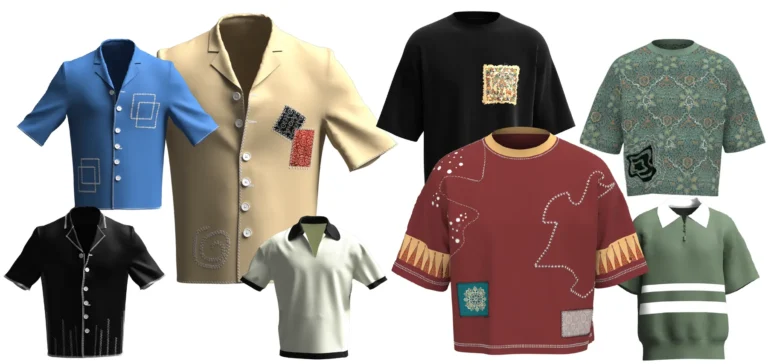
A blank is a finished garment without branding. Customisation adds your identity: screen print or direct-to-garment print, embroidery, relabelling with your own labels, and custom packaging.
- Fabric and fit come from the blank — you choose, you do not develop.
- Quantities can be lower, because no fabric or pattern is developed.
- Time is shorter, because the garment already exists.
- Journey stages touched: artwork, labels, decoration QC, final garment and packaging.
Custom cut and sew
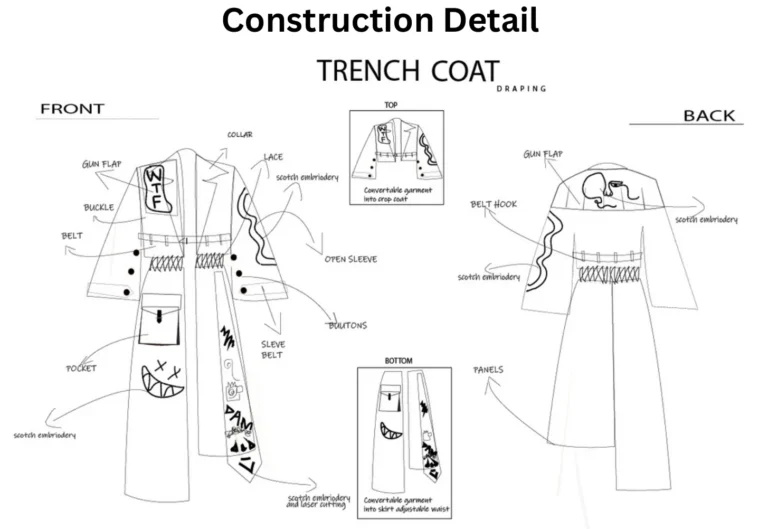
Everything is developed for your brand: fabric, colour, pattern and fit, construction, wash and finishing.
- Fabric is developed or sourced to your weight, handfeel and colour.
- Fit is your own pattern, graded across your sizes.
- Details — washes, distressing, embroidery, trims — are developed on the real fabric.
- Journey stages touched: all nine.
How to choose
- Testing a product or launching fast? Blank customisation lets you validate demand with less up-front commitment.
- Is the fit or fabric the product? If your differentiation is the garment itself, it has to be cut and sew.
- Need a specific colour? Custom colours mean dyeing, which means cut and sew or a dyed blank.
- Growing? Many brands start with blanks and move hero products to cut and sew once they sell.
The production page compares both routes side by side, and the estimator recommends one based on your answers. Minimum quantities and lead times depend on the product and are confirmed after review.
Questions
Can I add custom labels to a blank?
Yes — relabelling with your main, care and size labels is part of blank customisation.